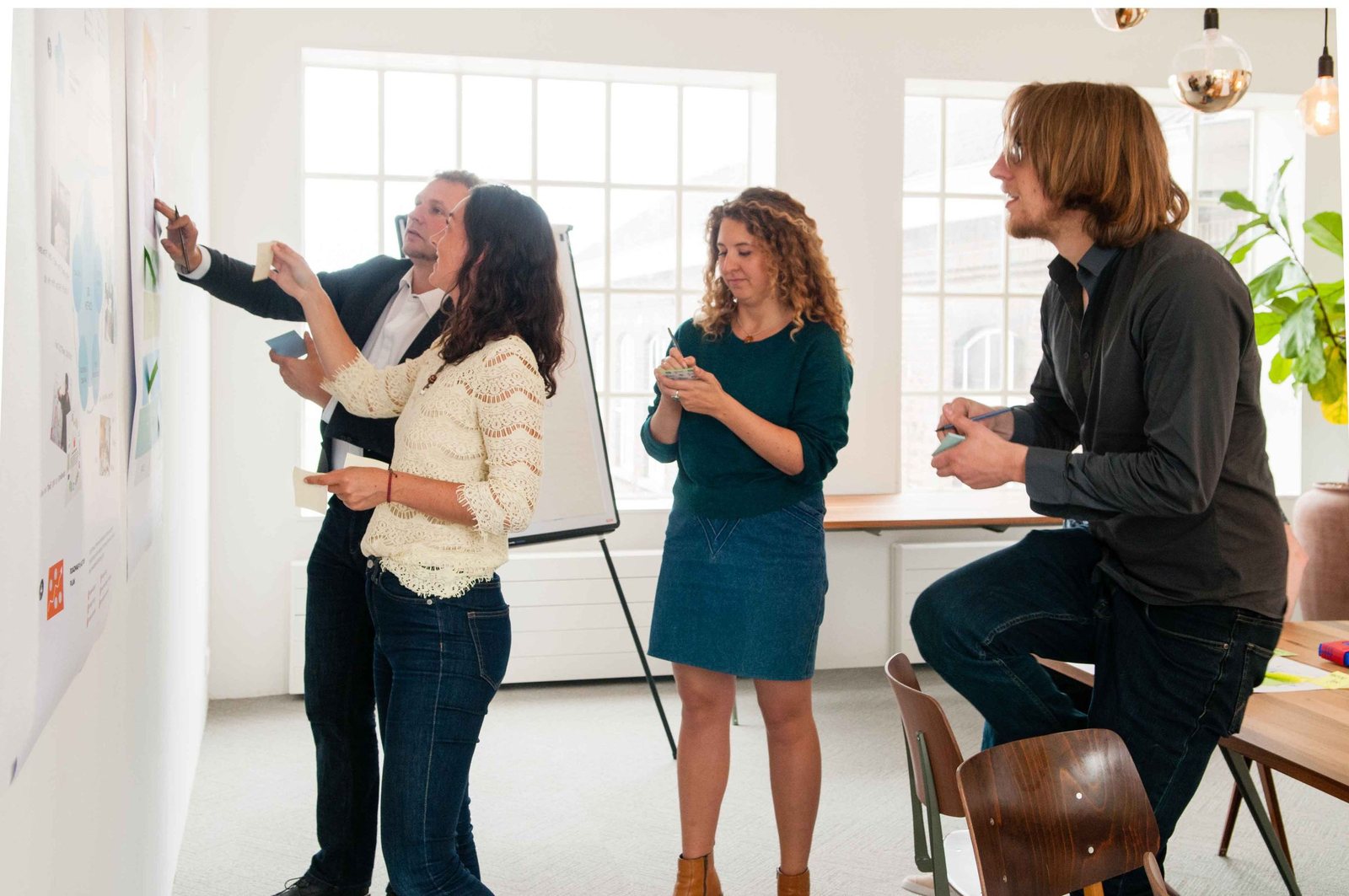
Facilitated working sessions
Except Academy facilitates working sessions for groups that need to reach a shared decision on a complex problem. The facilitator designs the process, manages what happens in the room, and makes sure the group arrives at something it can act on. The content and the decisions belong to the group.
What a facilitator does
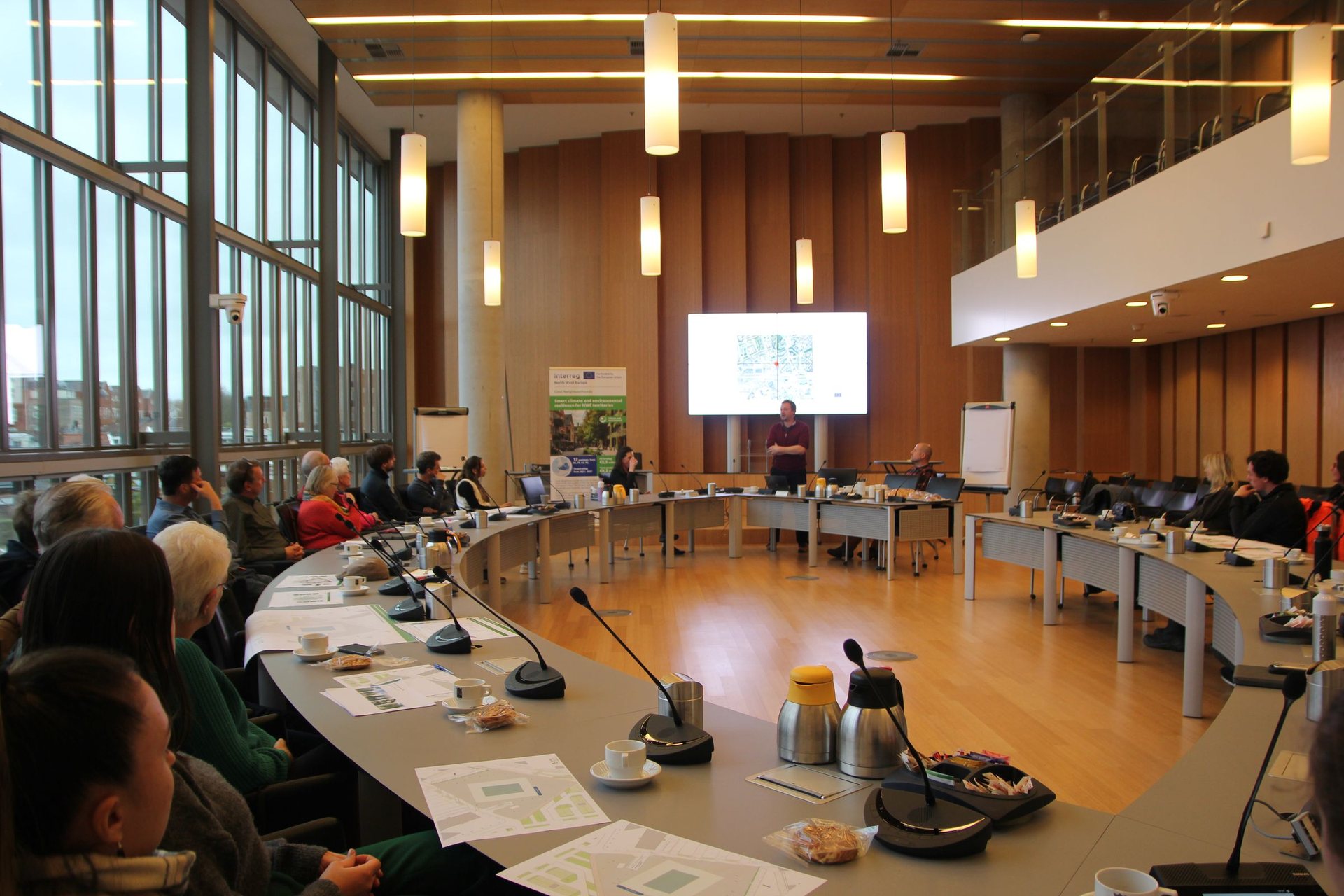
A facilitator is not a consultant and not a trainer. A consultant tells you what to do. A trainer teaches you how to do it yourself. A facilitator does neither: they design and run a process that helps a group think together well enough to reach a decision it could not reach on its own.
That means choosing the right structure for the session, keeping the conversation productive when the room disagrees, making sure the quieter people in the group are heard as well as the louder ones, and testing whether an apparent agreement is a real one. What the group actually works on, and what it decides, stays with the group. The facilitator holds the process.
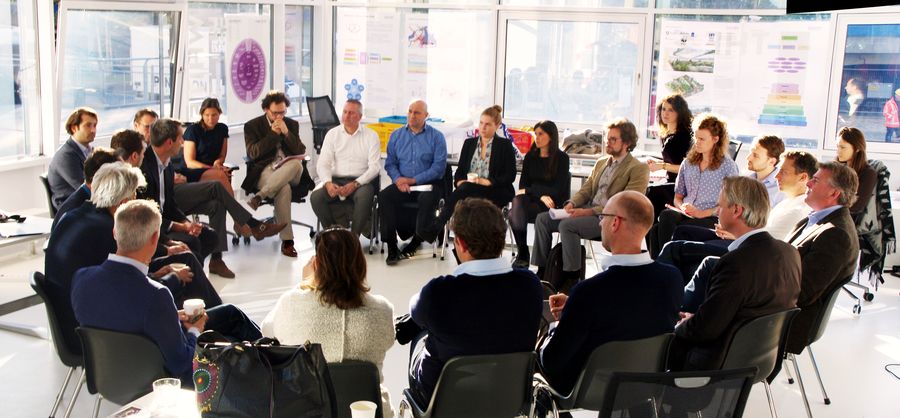
What Except brings to it
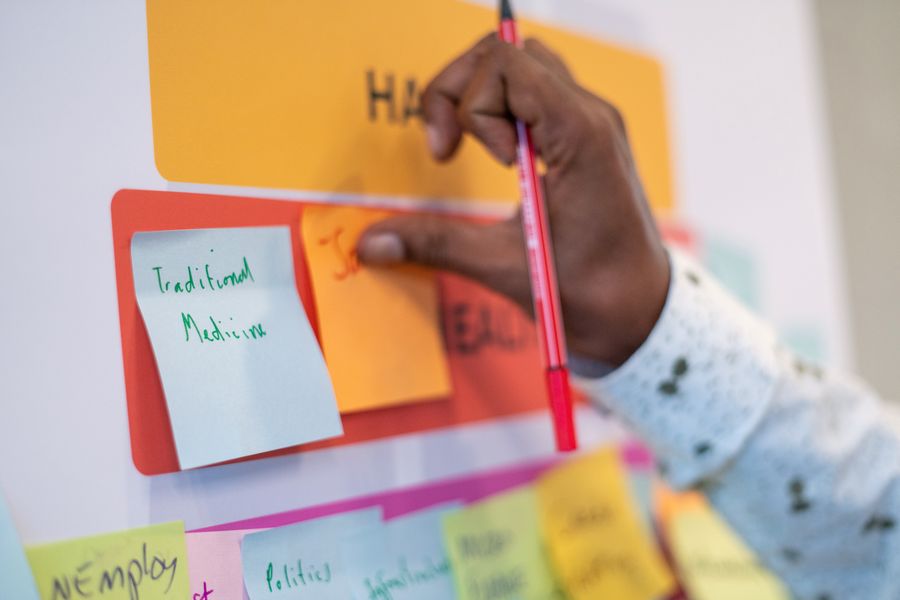
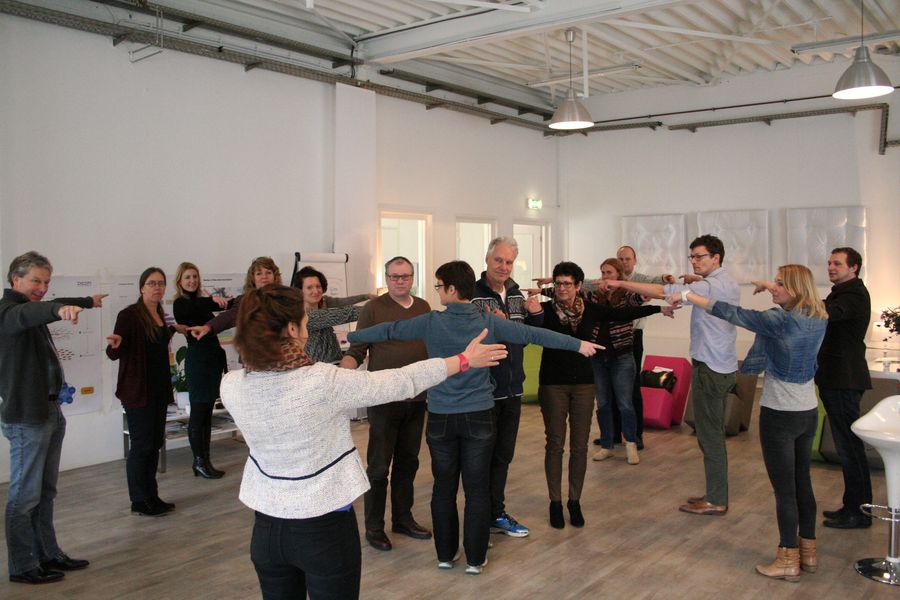
Except has worked for over two decades on innovation in complex societal issues, which are often multi-stakeholder trajectories. Facilitation is a key skill in resolving these, and over the years Except has developed co-creation and facilitation techniques that help build shared understanding, systemic insight, and multilateral alignment in the room.
The framework behind the work is Symbiosis in Development, which gives the facilitator a structured way of looking at how a system behaves, where the pressure points sit, and where an intervention is likely to travel. What the group needs to do in a session depends on the problem, the people, and how far along they already are.
Sessions run from a single day to several. The method is published at ThinkSiD.org.
"... all of them seem to have a few sensitive influence points through which the behavior of the system can be changed. These influence points are not in the location where most people expect."
Jay W. ForresterCounterintuitive Behavior of Social Systems, Technology Review, January 1971
Who is it for
Leadership groups starting a sustainability program, teams that keep arriving at the same disagreement, and project teams working with stakeholders who do not report to them.
What a session can leave behind
-
A shared understanding of the problem that did not exist before
-
Goals the group has agreed on, and the priorities that follow
-
A plan of action, with responsibilities and a sequence attached